House With Pool: What It Really Costs to Buy and Own One
Nearly 10.4 million homes in the United States have a private swimming pool, and that number keeps climbing every summer. A backyard pool can raise your home’s value, but it can also raise your maintenance bills and insurance costs in ways many buyers never anticipate. This guide walks through what a pool actually adds to a property, what it costs to keep it running, and how to decide if a house with pool fits your lifestyle and budget.
Why Buyers Want a House With Pool
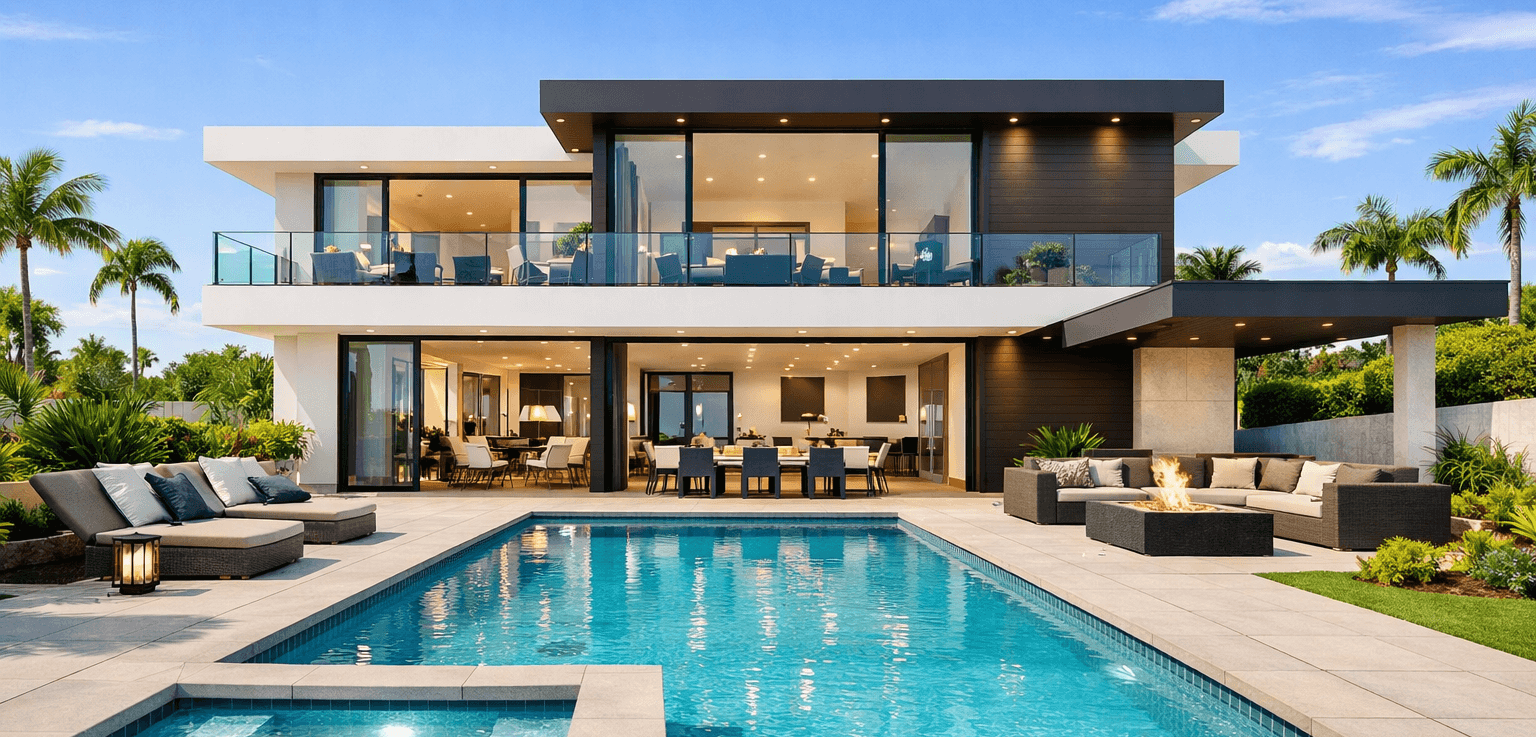
A house with pool changes how a family uses its backyard. Instead of a patch of grass, you get a gathering spot for birthday parties, weekend swims, and quiet evening laps after work.
Lifestyle Benefits
- Built-in exercise. Swimming works the whole body and puts less strain on joints than running.
- Entertainment value. A pool turns an ordinary backyard into a destination for friends and family.
- Staycation appeal. Homeowners in hot states like Texas, Florida, and Arizona often treat their pool as a substitute for vacation travel.
Regional Demand
Pools sell differently depending on climate. In Phoenix, Miami, or Las Vegas, a pool is close to a standard expectation for a single-family home. In Seattle or Minneapolis, the same pool might sit unused for eight months of the year and could even turn off certain buyers. Location shapes both the appeal and the return on investment.
What a Pool Really Costs
The sticker price of a house is only the starting point. A pool brings its own ongoing expenses that buyers should factor into their monthly budget.
Upfront and Installation Costs
If you’re buying a home that already has a pool, you skip the installation cost, which typically runs between $28,000 and $55,000 for an in-ground pool. What you inherit instead is the pool’s age, condition, and remaining equipment lifespan.
Ongoing Maintenance
- Chemicals and cleaning: $80 to $150 per month during swim season
- Electricity for pumps and heaters: $50 to $150 per month, depending on climate and equipment age
- Routine service visits: $100 to $300 per month if you hire a pool company instead of doing it yourself
- Resurfacing and equipment replacement: every 10 to 15 years, often costing several thousand dollars
Insurance and Liability
Most home insurers classify a pool as an “attractive nuisance,” which raises liability risk because pools can draw in neighborhood children. Expect a bump in your homeowner’s insurance premium, and budget for a fence, pool cover, or alarm system if your policy or local code requires one.
Inspecting a Pool Before You Buy
A pool that looks pristine in listing photos can hide expensive problems. A thorough inspection protects you from inheriting someone else’s deferred maintenance.
What to Check
- Structural cracks in the pool shell, especially around the waterline and steps.
- Pump and filter condition — ask for service records and the age of the equipment.
- Heater function, if the home has one, since replacement can cost $2,000 or more.
- Deck and coping for shifting, cracking, or drainage issues around the pool edge.
- Water chemistry history to spot signs of long-term neglect or algae problems.
Hiring a Pool-Specific Inspector
A general home inspector may glance at the pool, but a specialized pool inspector tests the equipment, checks for leaks, and evaluates the plumbing lines that run underground. This inspection typically costs $200 to $500 and can save you from a five-figure surprise after closing.
Pool Types and What They Mean for Maintenance
Not all pools behave the same way once you own them. The type of pool affects both your monthly upkeep and your long-term repair costs.
In-Ground Pools
Built from gunite, vinyl, or fiberglass, in-ground pools tend to last longest and add the most resale value, but gunite pools need resurfacing every decade or so.
Above-Ground Pools
These cost less to maintain and replace, but they generally don’t add resale value the way an in-ground pool can, and some buyers view them as a drawback rather than a feature.
Saltwater vs. Chlorine Systems
Saltwater systems cost more upfront but reduce the ongoing expense of buying chlorine and tend to feel gentler on skin and eyes. Chlorine systems cost less initially but require more frequent chemical purchases and monitoring.
Does a House with Pool Increase Home Value?
The honest answer is it depends on where you live and who’s buying.
When a Pool Helps
In warm-climate markets, a well-maintained pool can add measurable value and shorten the time a home sits on the market, since buyers there often see it as standard rather than optional.
When a Pool Hurts
In cooler climates or in homes with small lots, a pool can actually narrow your buyer pool. Families with young children or buyers worried about maintenance may pass on a home simply because of the pool sitting in the backyard.
A Practical Rule of Thumb
Talk to a local real estate agent before assuming a pool is a guaranteed value boost. Market data for your specific zip code matters far more than national averages.
Questions to Ask Before You Buy
Before making an offer on a house with pool, get clear answers to these questions:
- How old is the pool, and when was it last resurfaced?
- What’s the age and condition of the pump, filter, and heater?
- Are there permits on file for the original pool installation?
- What does the seller currently spend per month on upkeep?
- Does the property have a compliant safety fence or barrier?
Final Thoughts
A house with pool can deliver years of family memories, exercise, and backyard entertainment, but it comes with real costs in maintenance, insurance, and inspection diligence. Before you sign a purchase agreement, get a pool-specific inspection, calculate the true monthly cost of ownership, and talk to a local agent about how pools perform in your specific market. Weighing these factors upfront means you’ll know exactly what you’re diving into.